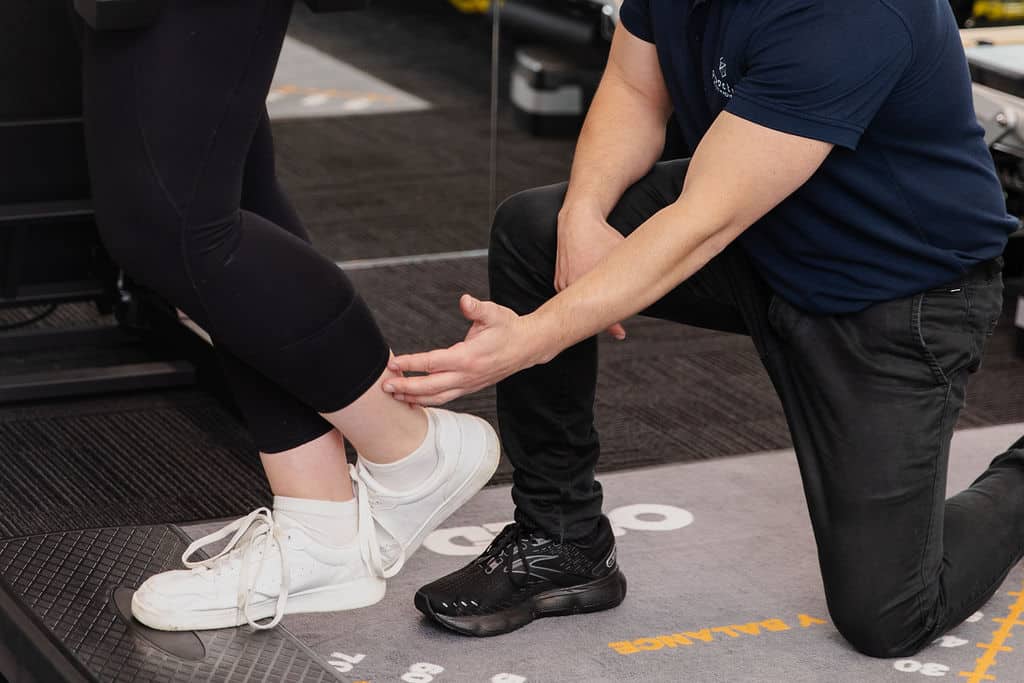
Tibialis Posterior Tendinopathy – What is it and what can be done to help?
Are you or do you know someone who is experiencing pain, swelling and discomfort to the inside of their ankle and arch? Does it hurt to walk, stand and run for long periods of time? If you answered yes to those questions, you may be experiencing an injury called Tibialis Posterior Tendinopathy.
What is Tibialis Posterior Tendinopathy?
Saying the name of this condition can be a bit of a tongue twister. The tibialis posterior is a muscle that starts in your calf (the back of your leg) which has a tendon that then finishes on the inside of the arch of your foot. Tibialis Posterior Tendinopathy is the name given when the tendon of this muscle becomes injured. This muscle and tendon help support the arches of your feet and help your foot push off with force from the ground when walking and running.
What causes Tibialis Posterior Tendinopathy?
This injury usually occurs when the tendon is overused or when a sudden injury occurs (like rolling your ankle). Overuse of the tendon occurs when the amount of load applied to the tendon is too much for the tendon to tolerate which then leads to inflammation and problems with the cellular structure of the tendon. Often this overuse occurs with occupational or sporting related activities that are beyond what the body can tolerate at that time.
How is tibialis posterior tendinopathy diagnosed?
Injury to the tibialis posterior tendon can be easily diagnosed by a good practitioner using specific clinical tests without the need for further imaging such as x-rays, ultrasounds and MRl. However, sometimes imaging may be used to rule out more serious injuries like a fracture in the foot.
What are the symptoms?
The symptoms of tibialis posterior tendinopathy include;
- Pain – which will typically follow a predictable pattern of being more painful when activity increases and after periods of rest. People experiencing this injury often describe the injury to be more sore in the morning when first getting out of bed and say that the pain decreases once the tendon has warmed up.
- Swelling – may be a visible sign of the injury, however, swelling may not always be visible
- Difficulty with movement and standing
What are the treatment options?
Successful management of Tibialis Posterior Tendinopathy must begin with a thorough assessment and understanding of the influencing factors that have caused the problem. You will be pleased to know that there are ways to help get rid of this often painful and long term injury. A good practitioner will always tailor treatment plans to the individual to help them achieve their goals, which will likely involve both short and long term advice.
Short – term advice:
The initial stages of treatment will aim decrease pain and improve function, including:
- Reducing the amount of provocative activities such as walking, running, playing sports etc.
- Wearing lace up shoes to refrain from excessive movement within the foot and ankle, leading to pain
- Using ice packs to reduce the swelling and pain
- Taking anti-inflammatory medication to reduce the swelling and pain
- In some cases, using crutches or protecting the area with a moon boot can be useful
Long – term:
Successful long-term management of this injury will address the underlying cause of the problem and may include:
- Strength and conditioning exercises (to make the body stronger, influence movement and gait and prevent recurrence of injury)
- Footwear advice/ consideration
- Orthotic therapy to influence biomechanics and gait (the particular way the foot is being loaded)
By assessing thoroughly and understanding an individual’s specific loading patterns, a clear and specific treatment plan can be created and no two treatment plans ever look the same as people are different!
If you are interested in learning more about orthotics and how they can help, have a look at the following resource: https://www.proactivehm.com.au/how-do-orthotics-work/
You can book an appointment with a member of our practitioner team HERE LINK: https://www.proactivehm.com.au/book-online/
Written By:
Josh McGill